
The healthcare industry stands at the precipice of a revolutionary transformation, driven by the integration of artificial intelligence into personalized patient care. No longer confined to the realm of science fiction, AI-driven personalization in healthcare has emerged as a powerful force reshaping how we diagnose, treat, and prevent diseases. This paradigm shift represents not merely an incremental improvement but a fundamental reimagining of healthcare delivery—one that promises to make treatments more effective, efficient, and accessible than ever before.
In 2025, we are witnessing the convergence of several technological advancements that have catalyzed this transformation: the proliferation of health data from wearable devices and electronic health records, the maturation of machine learning algorithms capable of identifying complex patterns, and the development of sophisticated AI systems that can process and analyze this information at unprecedented speeds. Together, these innovations are enabling healthcare providers to move beyond the traditional one-size-fits-all approach to medicine and toward truly personalized care tailored to each patient's unique genetic makeup, lifestyle factors, and medical history.
This article explores the multifaceted impact of AI-driven personalization in healthcare, examining its applications across various domains—from diagnostics and treatment planning to preventative care and patient engagement. We will delve into the technological underpinnings of these systems, highlight real-world success stories, and consider the ethical implications and future directions of this rapidly evolving field.
The Foundation of AI in Healthcare
Artificial intelligence in healthcare encompasses a broad spectrum of computational techniques designed to mimic human cognitive functions. At its core, healthcare AI leverages machine learning algorithms that can analyze vast datasets, identify patterns, and make predictions or recommendations based on that analysis. These systems become increasingly accurate over time as they process more data and receive feedback on their outputs.
The application of AI to healthcare personalization relies on several key technologies:
- Natural Language Processing (NLP): Enables computers to understand, interpret, and generate human language, facilitating the extraction of valuable insights from unstructured medical texts such as clinical notes and research papers.
- Computer Vision: Allows AI systems to interpret and analyze medical images, including X-rays, MRIs, and CT scans, often detecting subtle abnormalities that might escape the human eye.
- Predictive Analytics: Utilizes statistical algorithms and machine learning techniques to identify the likelihood of future outcomes based on historical data, helping to forecast disease progression and treatment responses.
- Deep Learning: Employs neural networks with multiple layers to process complex patterns in data, particularly useful for analyzing genomic information and medical imaging.
These technologies form the backbone of AI-driven personalization in healthcare, enabling systems to process and interpret the diverse types of data that inform personalized medical decisions.
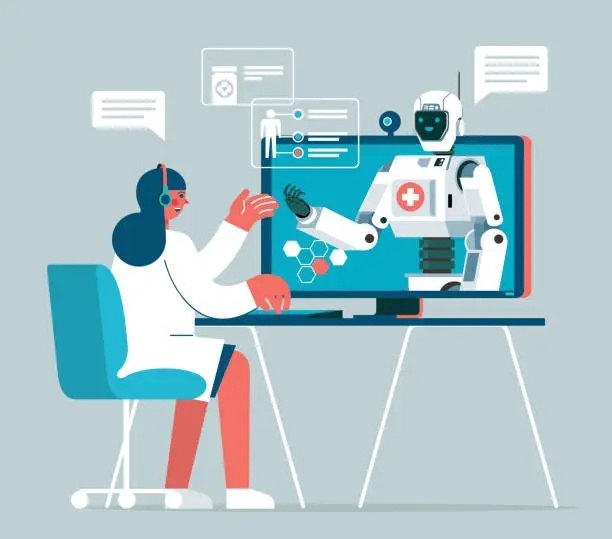
AI systems working alongside healthcare professionals to enhance diagnostic accuracy and treatment planning.
Personalized Diagnostics: Redefining Disease Detection
One of the most promising applications of AI in healthcare is in the realm of diagnostics, where personalized approaches are revolutionizing how diseases are detected and classified. Traditional diagnostic methods often rely on standardized protocols that may not account for individual variations in disease presentation or progression. AI-driven personalized diagnostics, by contrast, can integrate multiple data points—from genetic markers and biomedical images to patient-reported symptoms and environmental factors—to generate more accurate and individualized assessments.
Early Disease Detection Through Pattern Recognition
AI algorithms excel at identifying subtle patterns that may indicate the early onset of disease, often before symptoms become apparent. For instance, deep learning models trained on retinal images can detect signs of diabetic retinopathy, cardiovascular disease, and neurological conditions years before clinical manifestation. Similarly, AI systems analyzing voice patterns can identify vocal biomarkers associated with conditions such as Parkinson's disease, depression, and cognitive impairment, enabling earlier intervention and potentially better outcomes.
Genomic Analysis for Precision Diagnostics
The integration of AI with genomic sequencing has dramatically enhanced our ability to interpret genetic data for diagnostic purposes. Machine learning algorithms can sift through the vast complexity of the human genome to identify mutations associated with rare diseases, predict cancer susceptibility, and determine the genetic basis of drug responses. This genomic insight allows for more precise disease classification and helps clinicians distinguish between subtypes of conditions that may appear similar but require different treatment approaches.
Multi-modal Diagnostic Integration
Perhaps the most powerful aspect of AI-driven diagnostics is the ability to integrate information from multiple sources into a comprehensive assessment. By combining data from electronic health records, laboratory tests, imaging studies, and wearable devices, AI systems can generate holistic diagnostic profiles that capture the full complexity of a patient's condition. This multi-modal approach not only improves diagnostic accuracy but also provides a more nuanced understanding of disease mechanisms and progression.
"AI doesn't replace the diagnostic expertise of clinicians—it augments it, helping us see patterns across vast amounts of data that would be impossible to process manually. The result is earlier detection, more precise classification, and ultimately better patient outcomes."
— Dr. Elena Vasquez, Director of AI Diagnostics at Mayo Clinic
Treatment Personalization: Tailoring Therapies to Individual Patients
The promise of personalized medicine has long been to deliver the right treatment to the right patient at the right time. AI is helping to fulfill this promise by enabling unprecedented levels of treatment customization based on individual patient characteristics. From medication selection and dosing to surgical planning and rehabilitation protocols, AI-driven personalization is optimizing therapeutic interventions across the healthcare spectrum.
AI-Driven Treatment Plan Generation
AI systems can generate personalized treatment plans by analyzing a patient's medical history, genetic profile, lifestyle factors, and current health status in conjunction with the latest clinical evidence. These systems consider thousands of variables simultaneously, identifying optimal treatment strategies that human clinicians might overlook. For example, in oncology, AI platforms like IBM's Watson for Oncology analyze patient data alongside medical literature to recommend evidence-based treatment options tailored to each cancer patient's unique circumstances.
Medication Optimization
Pharmacogenomics—the study of how genes affect a person's response to drugs—has been revolutionized by AI. Machine learning algorithms can predict how individuals will metabolize specific medications based on their genetic makeup, allowing for personalized dosing regimens that maximize efficacy while minimizing side effects. This approach is particularly valuable for medications with narrow therapeutic windows, such as warfarin and certain antidepressants, where optimal dosing varies significantly between patients.
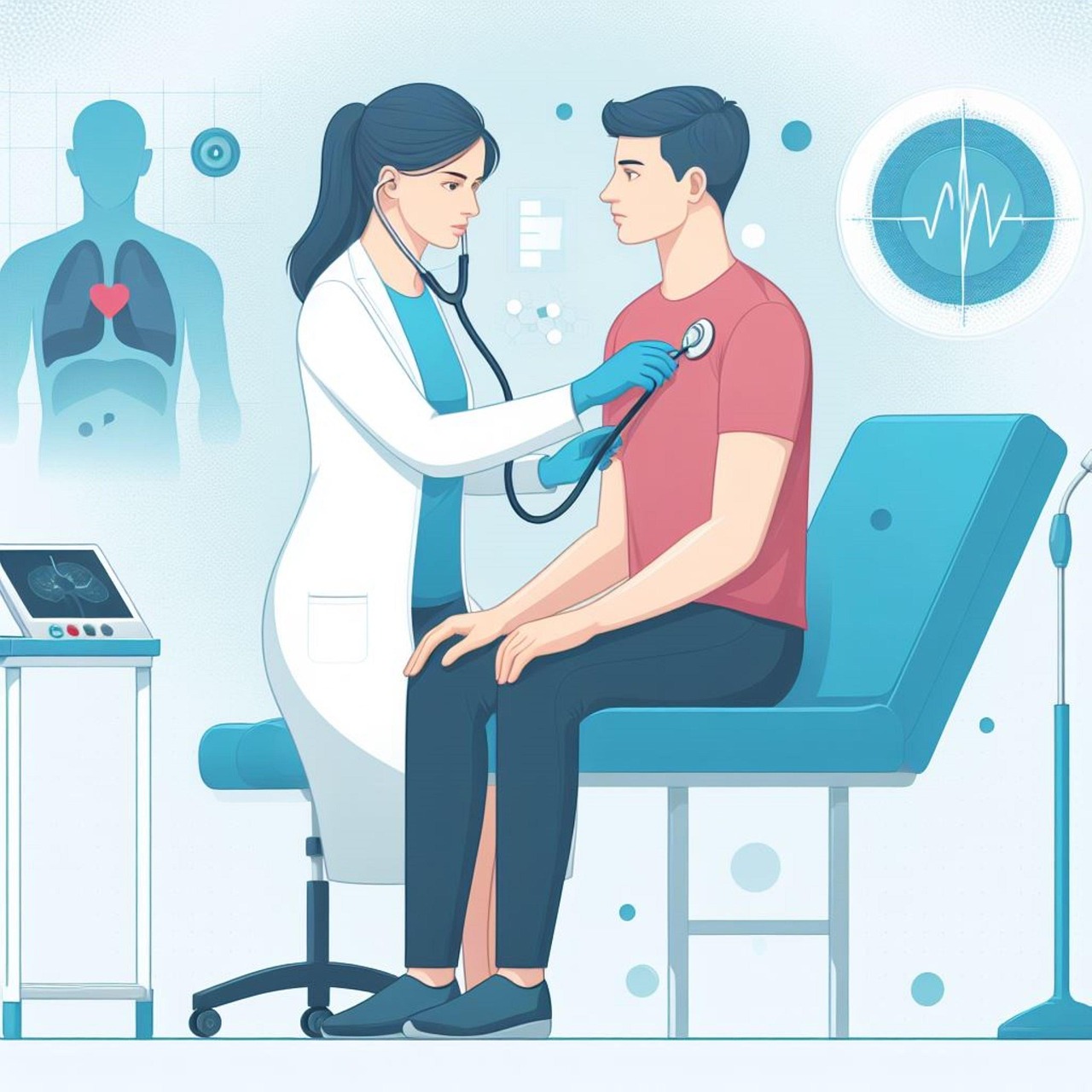
Healthcare providers using AI-assisted tools to develop personalized treatment plans for patients.
Adaptive Treatment Protocols
Perhaps the most sophisticated application of AI in treatment personalization is the development of adaptive protocols that evolve in response to patient outcomes. These systems continuously monitor patient progress, adjusting treatment parameters based on real-time data to optimize results. In chronic disease management, for instance, AI algorithms can analyze glucose readings from diabetic patients to recommend personalized insulin dosing schedules, dietary modifications, and exercise regimens, with adjustments made as the patient's condition changes over time.
The impact of these personalized treatment approaches extends beyond improved clinical outcomes. By minimizing trial-and-error in treatment selection and reducing adverse events, AI-driven personalization can decrease healthcare costs, improve patient satisfaction, and enhance quality of life for those living with chronic conditions.
Preventative Care and Wellness: Predicting and Preventing Disease
The adage that prevention is better than cure has never been more relevant than in the era of AI-driven healthcare personalization. By analyzing patterns in health data, AI systems can identify individuals at risk for specific conditions and recommend personalized preventative measures before disease onset. This proactive approach represents a fundamental shift from reactive healthcare to predictive and preventative models.
Personalized Risk Assessment
AI algorithms can generate individualized risk profiles by integrating genetic information, family history, lifestyle factors, and environmental exposures. These profiles help identify patients who may benefit from enhanced screening or preventative interventions. For example, machine learning models analyzing mammography images alongside demographic and clinical data can predict breast cancer risk with greater accuracy than traditional methods, allowing for personalized screening schedules based on individual risk levels.
Lifestyle Optimization
AI-powered wellness platforms are transforming how we approach lifestyle modifications for disease prevention. These systems analyze individual health data to generate personalized recommendations for nutrition, physical activity, sleep, and stress management. Unlike generic wellness advice, these recommendations are tailored to each person's unique physiology, preferences, and health goals. Some platforms even adapt their recommendations based on continuous feedback, learning which interventions are most effective for each user.
Early Intervention Triggers
By continuously monitoring health data from wearable devices and other sources, AI systems can detect subtle changes that may indicate impending health issues. These early warning systems enable intervention before conditions become serious or symptomatic. For instance, AI algorithms analyzing heart rate variability and activity patterns can detect early signs of heart failure exacerbation days before clinical symptoms appear, allowing for timely medication adjustments that prevent hospitalization.
"The future of healthcare isn't just about treating disease more effectively—it's about preventing it altogether. AI gives us the tools to identify who's at risk and intervene with personalized prevention strategies before symptoms ever develop."
— Dr. Michael Chen, Chief of Preventative Medicine at Stanford Health
Patient Engagement and Experience: The Human Side of AI
While much of the discussion around AI in healthcare focuses on clinical applications, equally important is the role of AI in enhancing patient engagement and experience. Personalized approaches to patient communication, education, and support can significantly improve treatment adherence, patient satisfaction, and ultimately, health outcomes.
Personalized Health Education
AI systems can tailor health information to each patient's specific condition, literacy level, learning style, and cultural background. Rather than generic educational materials, patients receive customized content that addresses their particular concerns and knowledge gaps. This personalized approach to health education has been shown to improve comprehension, retention, and application of health information, leading to better self-management of chronic conditions.
Virtual Health Assistants
AI-powered virtual assistants are revolutionizing patient support by providing personalized guidance and monitoring between clinical visits. These systems can answer questions, remind patients to take medications, monitor symptoms, and alert healthcare providers when intervention is needed. Advanced virtual assistants even adapt their communication style and content based on the patient's emotional state and preferences, creating a more human-like and supportive interaction.
Behavioral Nudges for Treatment Adherence
One of the most promising applications of AI in patient engagement is the use of personalized behavioral nudges to improve treatment adherence. By analyzing patterns in patient behavior, AI systems can identify individual barriers to adherence and deliver targeted interventions at optimal times. For example, an AI might recognize that a particular patient tends to forget evening medications when working late and send a specifically timed reminder on those days, or it might learn that another patient responds best to positive reinforcement and adjust its messaging accordingly.
Ethical Considerations and Challenges
The integration of AI into personalized healthcare brings with it a host of ethical considerations and challenges that must be addressed to ensure these technologies benefit all patients equitably and responsibly.
Privacy and Data Security
Personalized healthcare AI relies on vast amounts of sensitive patient data, raising significant privacy concerns. Ensuring the security of this information while maintaining its utility for AI systems represents a major challenge. Emerging approaches such as federated learning, which allows AI models to be trained across multiple decentralized devices without exchanging raw data, offer promising solutions but require further development and standardization.
Algorithmic Bias and Health Equity
AI systems trained on historical healthcare data may perpetuate or even amplify existing biases and disparities. For example, algorithms trained primarily on data from certain demographic groups may perform poorly for underrepresented populations. Addressing this challenge requires diverse training data, careful algorithm design, and ongoing monitoring for bias. Moreover, ensuring equitable access to AI-driven personalized healthcare across socioeconomic groups remains a significant concern.
Transparency and Explainability
Many advanced AI systems, particularly deep learning models, operate as "black boxes," making decisions through processes that are not easily interpretable by humans. In healthcare, where trust and understanding are paramount, this lack of transparency poses problems for both clinicians and patients. Developing explainable AI that can articulate the reasoning behind its recommendations is essential for responsible implementation in clinical settings.
Human-AI Collaboration
Perhaps the most nuanced challenge is defining the optimal relationship between human healthcare providers and AI systems. While AI excels at processing vast amounts of data and identifying patterns, it lacks the empathy, ethical reasoning, and contextual understanding that human clinicians bring to patient care. The most effective models will likely involve collaborative approaches where AI augments rather than replaces human judgment.
Future Directions and Emerging Trends
As we look to the future of AI-driven personalization in healthcare, several emerging trends and developments promise to further transform the landscape of patient care.
Digital Twins for Healthcare Simulation
One of the most exciting frontiers is the development of digital twins—virtual replicas of individual patients that simulate physiological processes and responses to interventions. These computational models, informed by a patient's own data, allow clinicians to test treatment approaches virtually before implementing them in reality. As these models become more sophisticated, they could enable unprecedented levels of treatment personalization by predicting individual responses to various interventions with high accuracy.
Ambient Intelligence in Healthcare Environments
The integration of AI into the physical healthcare environment—through smart sensors, voice recognition systems, and intelligent monitoring devices—is creating spaces that can adapt to individual patient needs automatically. These ambient intelligence systems can adjust room conditions for optimal healing, monitor patient status unobtrusively, and facilitate more natural interactions between patients and their care environment.
Decentralized Healthcare Delivery
AI-driven personalization is enabling a shift toward more decentralized healthcare delivery models, where care can be provided in homes and communities rather than exclusively in traditional healthcare facilities. Remote monitoring systems, AI-powered diagnostic tools, and virtual care platforms are making it possible to deliver high-quality, personalized care outside of hospitals and clinics, improving accessibility and potentially reducing costs.
Global Health Equity Through AI
Perhaps the most transformative potential of AI in healthcare lies in its ability to democratize access to medical expertise. In regions with limited healthcare resources, AI systems can provide diagnostic support, treatment recommendations, and health education that would otherwise be unavailable. As these technologies become more accessible and adaptable to diverse contexts, they could help address global health inequities by bringing personalized care to underserved populations worldwide.
Conclusion: The Promise and Responsibility of AI-Driven Healthcare
AI-driven personalization represents a paradigm shift in healthcare—one that promises more accurate diagnoses, more effective treatments, and more empowered patients. By harnessing the power of artificial intelligence to analyze vast amounts of health data and generate individualized insights, we are moving toward a future where healthcare is not just reactive but predictive, not just standardized but personalized, not just focused on treating disease but on optimizing health.
Yet with this promise comes responsibility. As we continue to develop and deploy these powerful technologies, we must ensure they are designed with equity, transparency, and human values at their core. The goal is not to replace human judgment and compassion with algorithms but to augment human capabilities with computational power—creating a healthcare system that is both high-tech and high-touch.
The journey toward fully personalized healthcare is still in its early stages, with many challenges to overcome and questions to answer. But the potential benefits—more effective treatments, fewer adverse events, improved patient experiences, and ultimately, better health outcomes—make this a journey worth pursuing. As researchers, clinicians, technologists, and patients work together to shape the future of AI in healthcare, we have the opportunity to create a system that truly puts the individual at the center of care.